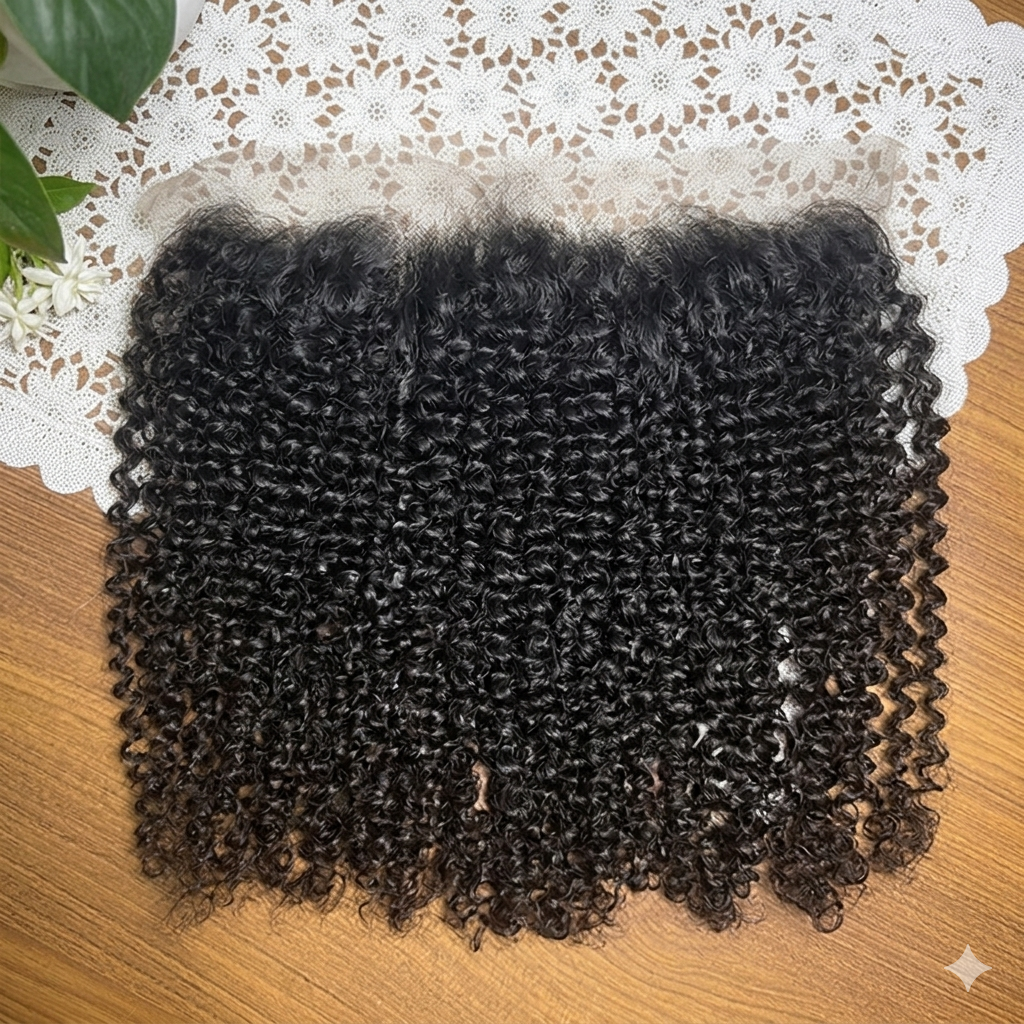
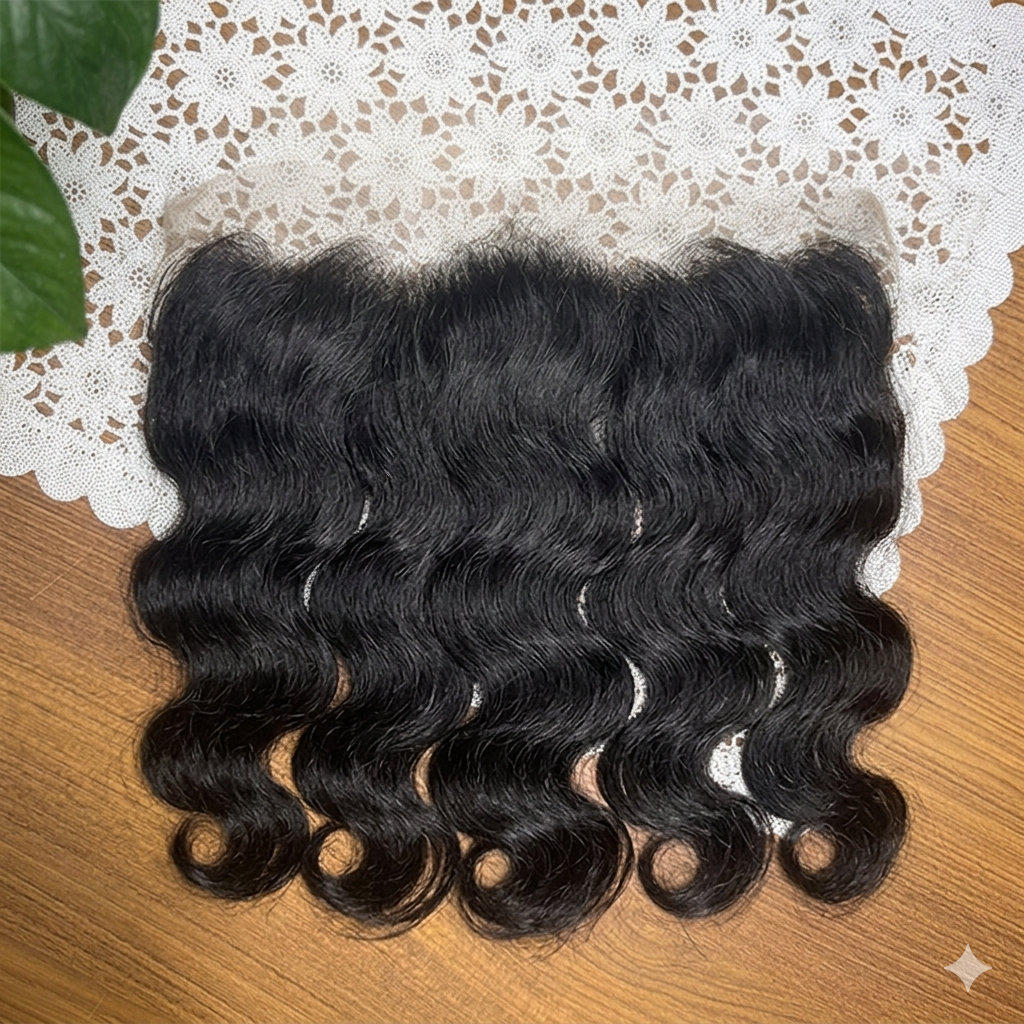
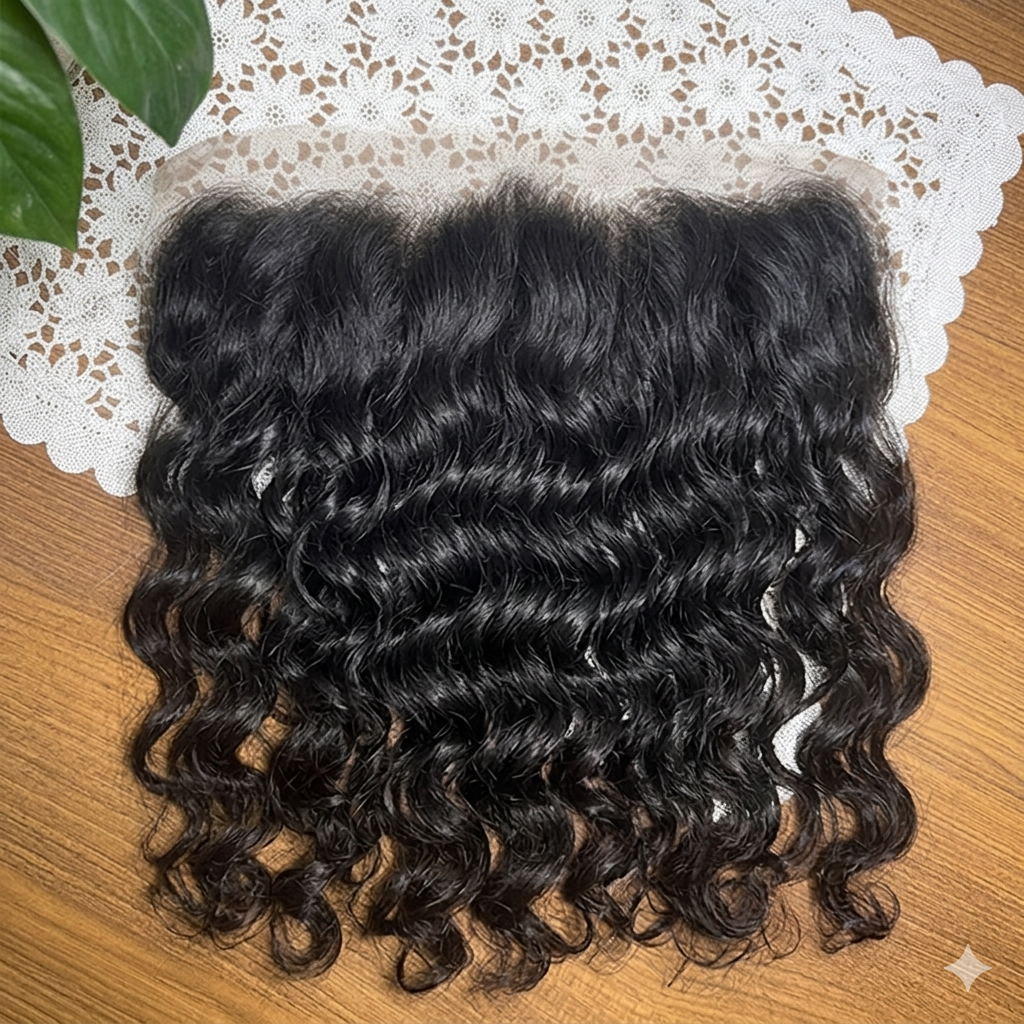
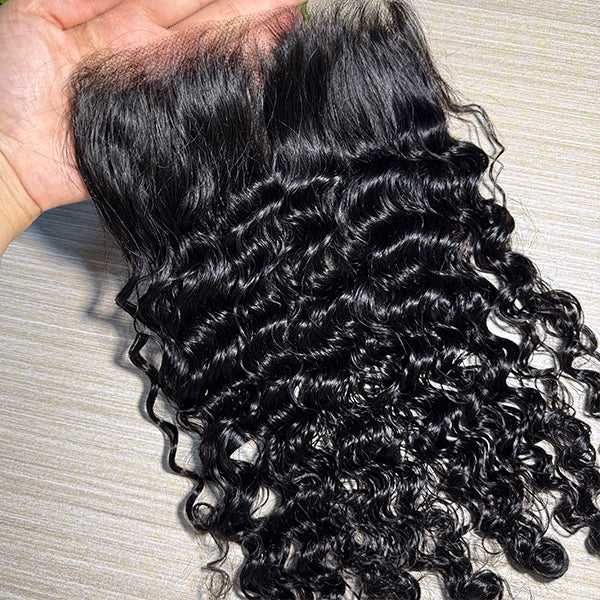
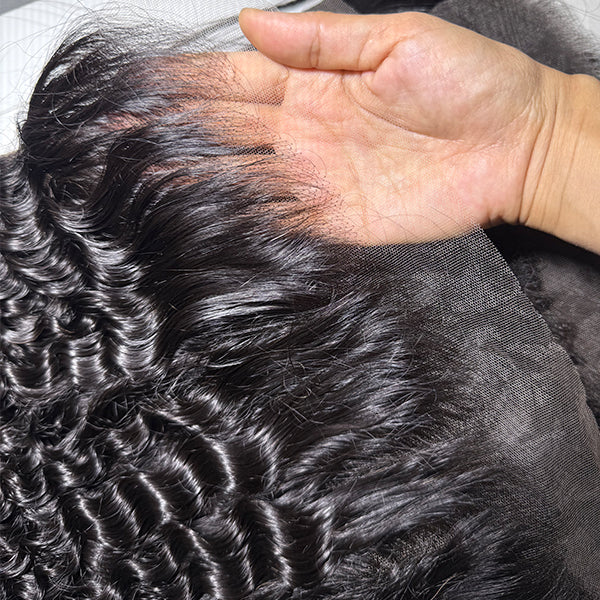
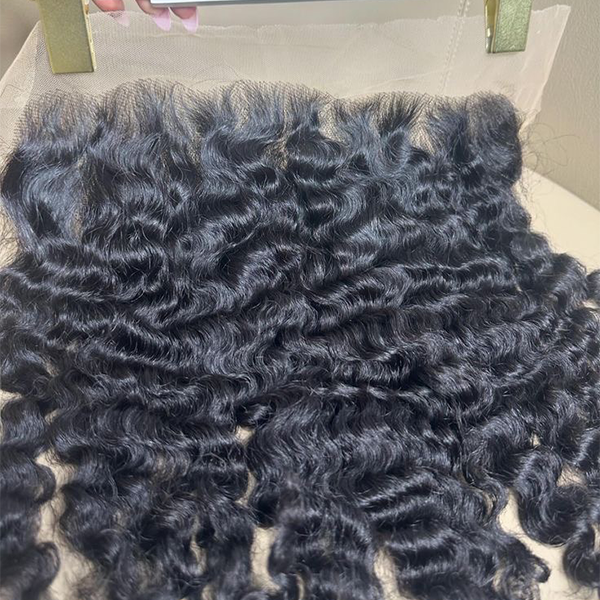
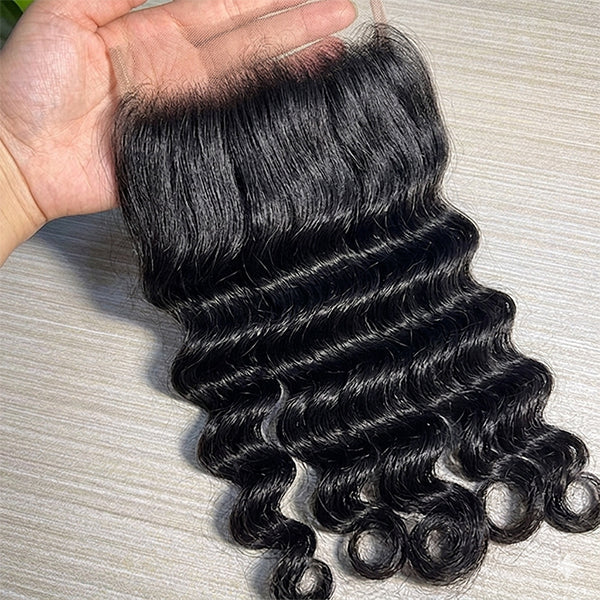
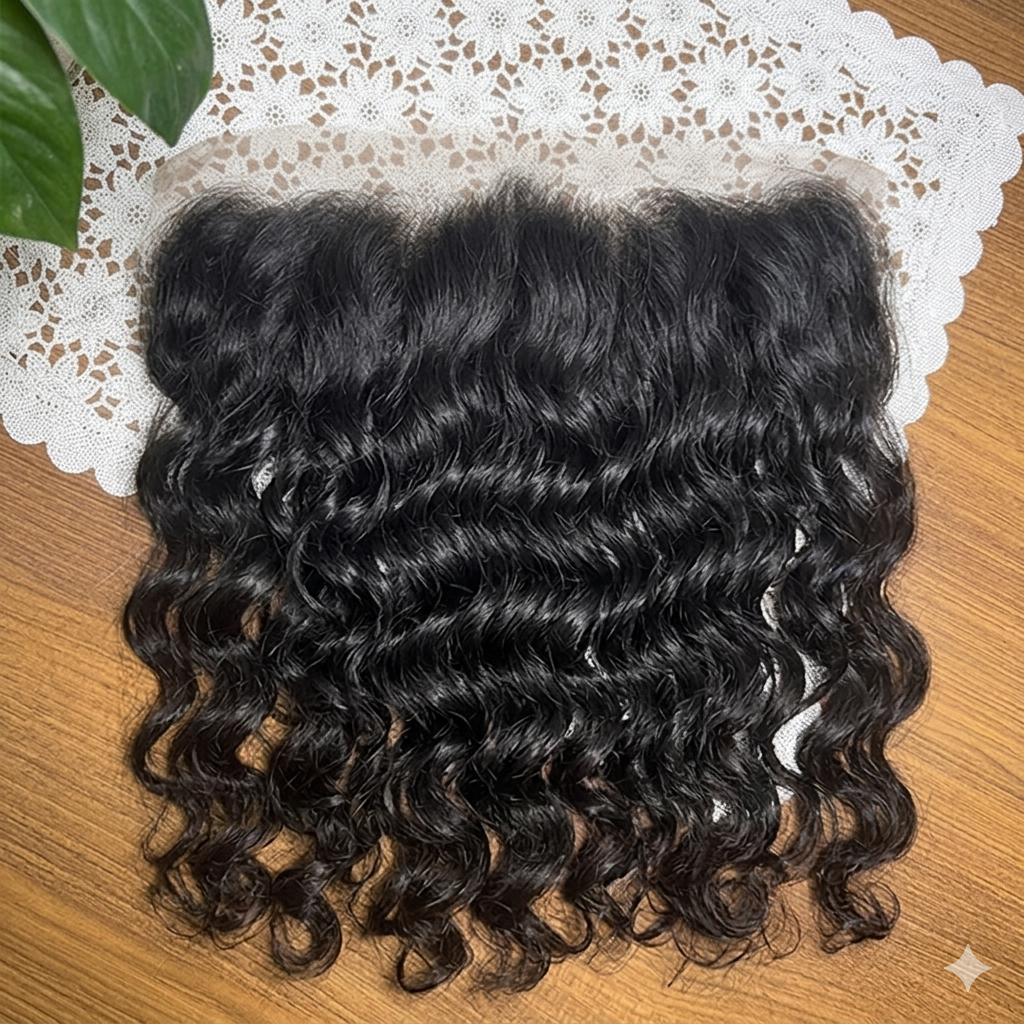
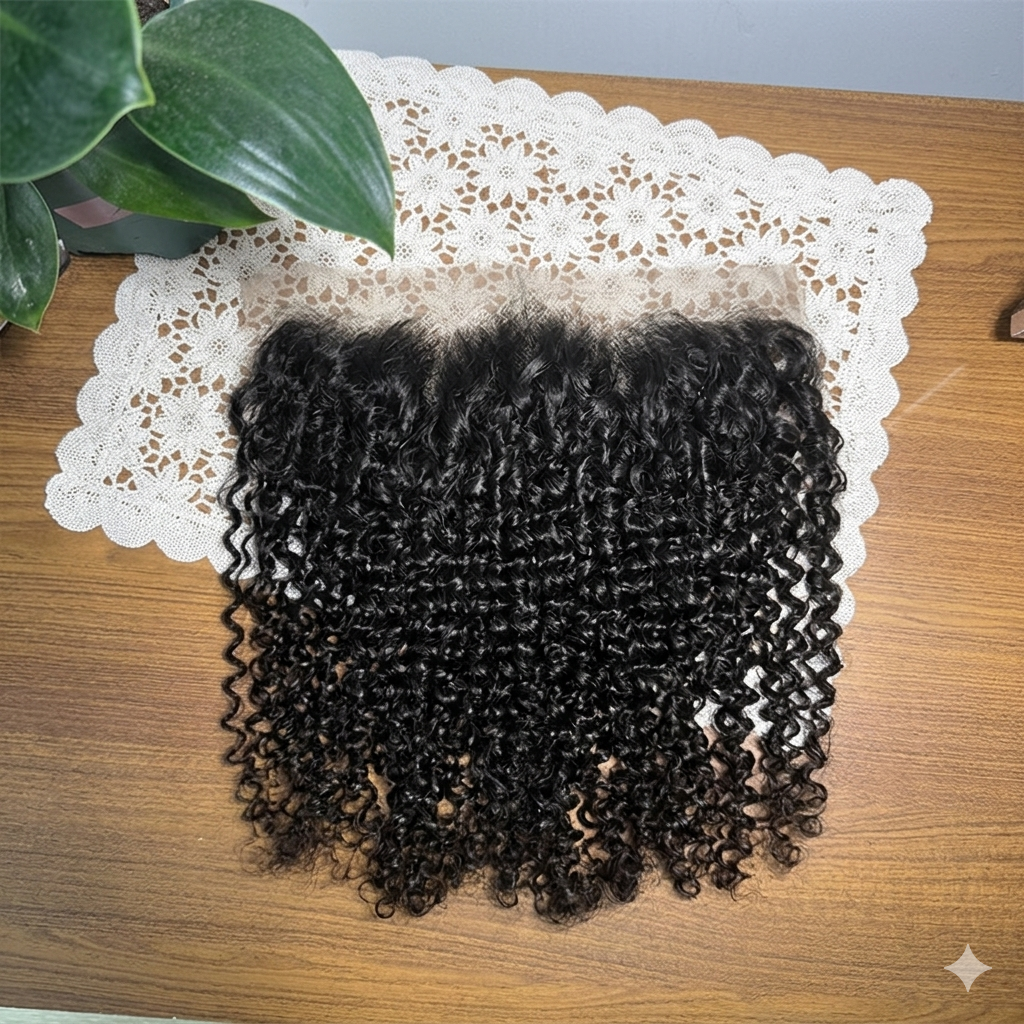
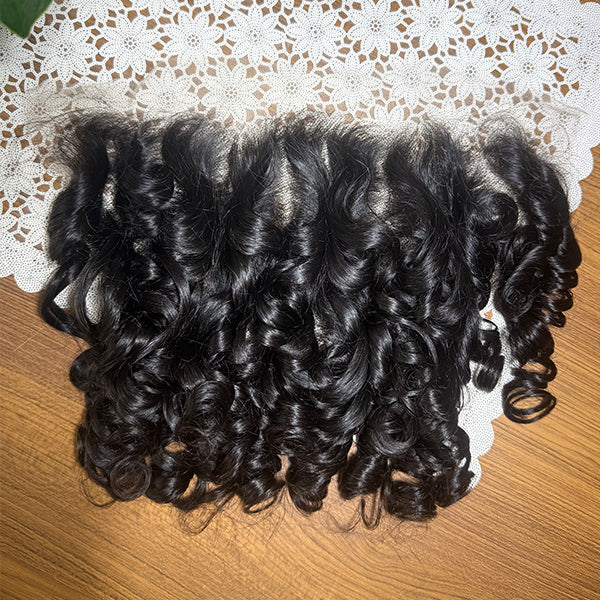


Lately, it seems like every brand is selling "Raw Hair." But is it really?
Many customers spend hundreds of dollars on hair without knowing what "raw" actually means—and end up disappointed.
Here's something important that most brands don't explain:
Fact #1
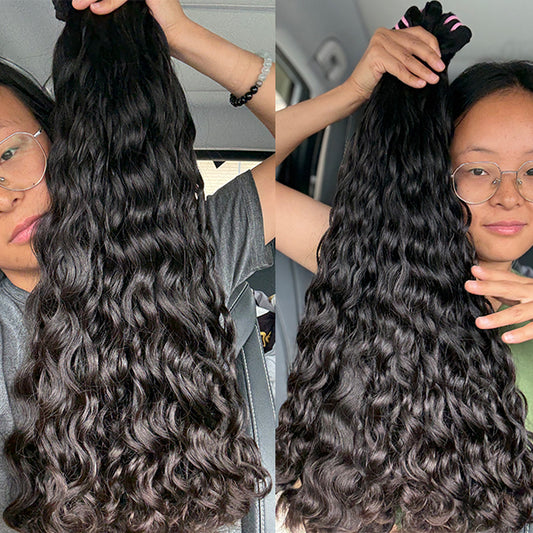
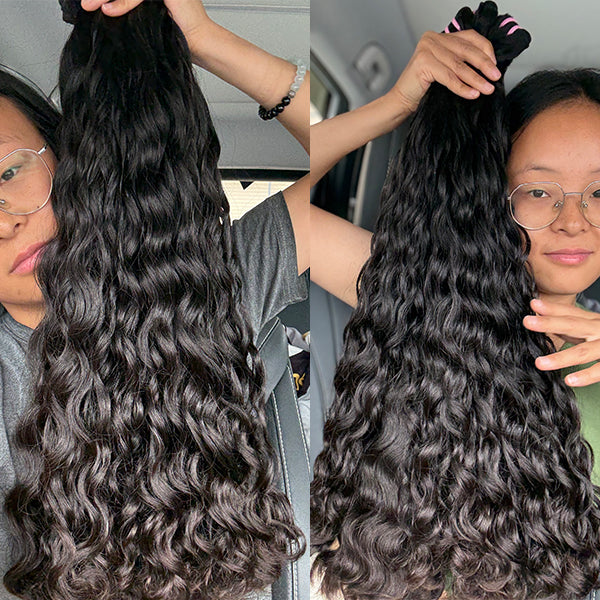
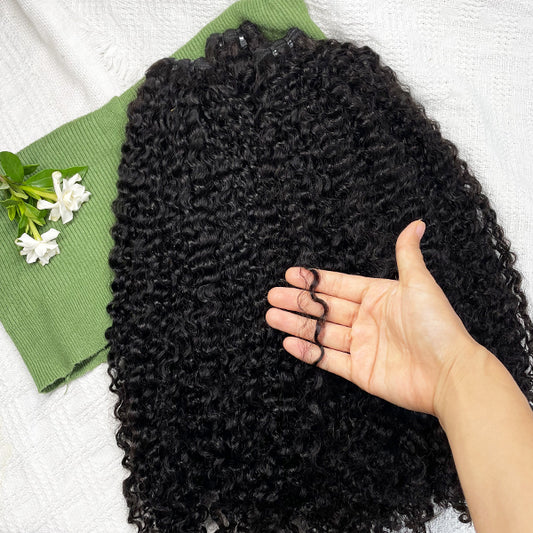
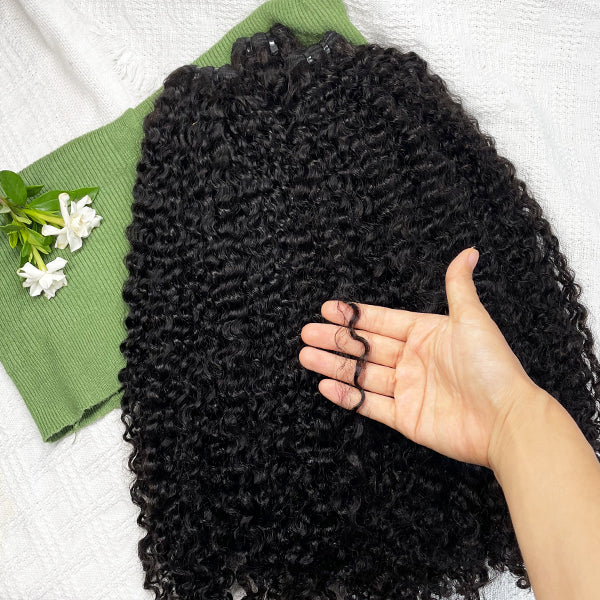
Most curly and wavy textures sold on the market are not cut from the donor with that exact finished pattern.
Commercial textures such as body wave, loose wave, water wave, deep wave, and many curly patterns are typically created through a texturing process after the hair is collected.
So if you see names like:
- Raw Indian Curly
- Raw Burmese Curly
- Raw Cambodian Curly
don't just ask:
"Is it raw?"
Ask instead:
"How was this curl pattern created?"
A transparent supplier should be able to explain whether the hair was textured after collection and what type of raw material was used.
Fact #2
Does that mean curly hair can't be Raw Hair?
Not at all.
The most important part isn't whether the curl was created—it's the quality of the original hair before the texture was made.
For example:
✅ If premium raw donor hair is used to create the curl, it can still retain many of the advantages of raw hair, such as:
- longer lifespan
- stronger cuticles
- natural shine
- better durability
If virgin hair is used to create the curl, you'll usually get:
- a softer feel
- easier daily maintenance
- a lower price
but generally a shorter lifespan than premium raw hair.
Fact #3
That's why the label "Raw Curly Hair" by itself doesn't tell the whole story.
A better question is:
"What raw material was used to create this texture?"
That answer will tell you far more than the marketing label alone.
One last thing...
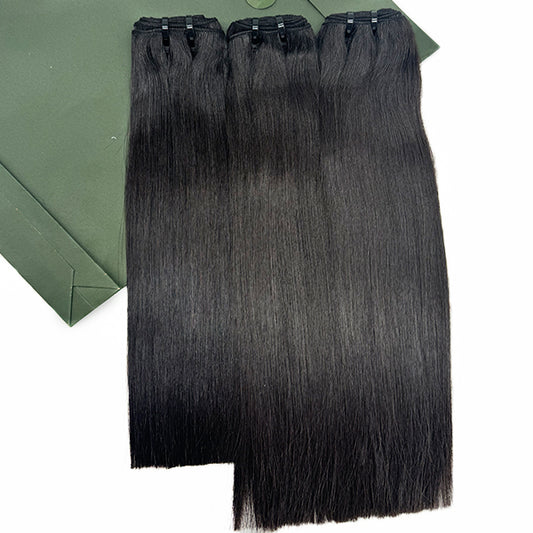
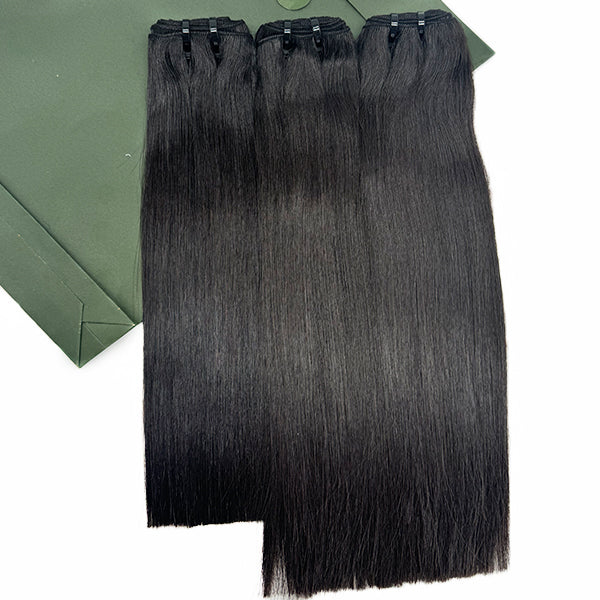
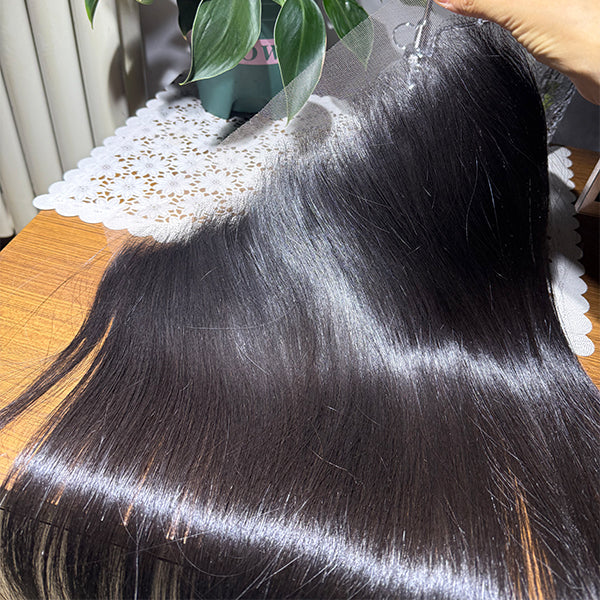
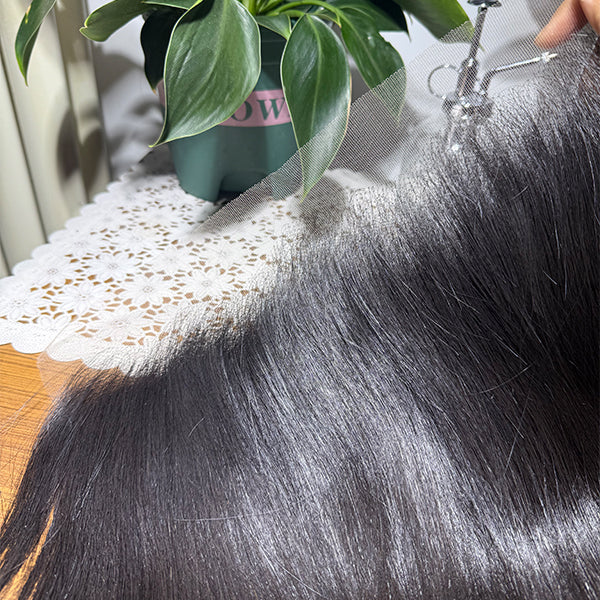
If your goal is hair that's as close to its natural, minimally processed state as possible, raw straight hair is generally the simplest option because it requires the least texturing to achieve its appearance.
The key isn't believing every marketing term.
It's understanding how the hair was sourced, processed, and textured before you buy.
That's exactly why we created Hair Learning Hub—to help you make informed decisions, not just expensive ones.